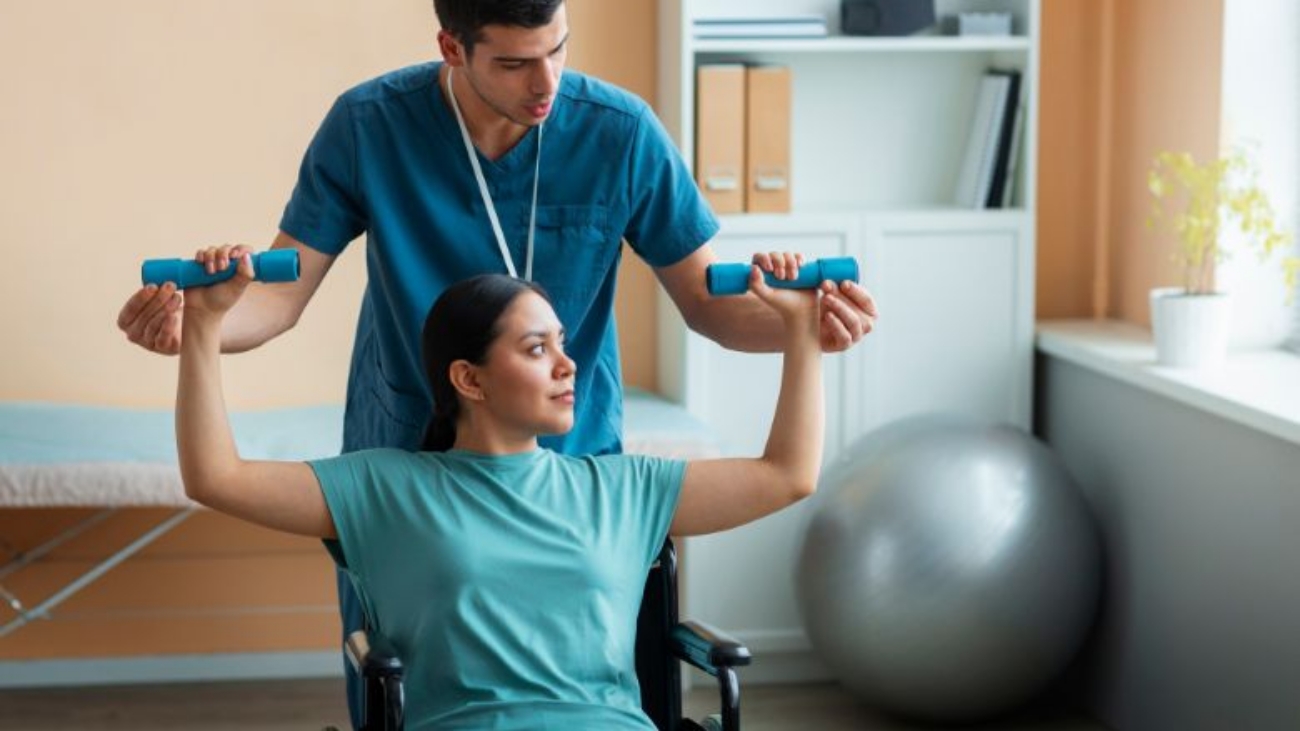
rehabilitation clinic in Droitwich

Why Sports Massage Is Not Just for Athletes

Massage has been used for a long time in order to address many musculoskeletal issues. There is a particular type, i.e., sports massage, which most people believe is used only for athletes or those who spend hours in the gym on a regular basis. In reality, this technique is also used to address issues faced by people who are not athletes, but the techniques are adapted based on the condition of the individual. People face issues like muscle tightness, stiffness, or issues associated with everyday activities or stress. A competent rehabilitation clinic in Droitwich uses the sports massage approach specifically tailored to individuals’ conditions and activity levels.

What Is Sports Massage?

This hands-on treatment relies on targeted techniques. The goal is to properly address muscular tension, movement-related discomfort, and tenderness. Sports massage differs from regular relaxation massage because it focuses on affected areas.

Though the technique is largely associated with athletic recovery, the approach works well for those who face issues due to prolonged sitting, physically demanding routines, or repetitive tasks.

Depending on the issue, its causes, and the condition of the individual, massage may involve multiple techniques in order to improve comfort, reduce tightness, and support movement.

Everyday Activities May Lead to Muscle Tension

Muscle tightness may result from an array of issues other than intense exercise. If people repeat the same movements, maintain the same posture or do not allow their muscles enough time to recover, the likelihood of facing muscle tension increases.

These patterns are pretty common among those who spend hours at a desk or remain in the same position for extended periods. The risk increases further if one does not take proper movement breaks in between.

Muscular fatigue is common among people whose work places excessive demands on their bodies. Even everyday tasks, such as gardening, cleaning or regularly carrying shopping on the same side, can contribute to muscle fatigue. In the majority of cases, people fail to notice such issues before they start causing noticeable discomfort because they learn to live with them over time.

Surprisingly, stress has a role to play here as well because it affects the way the body experiences pain. Some common habits, like clenching the jaw, holding the neck rigidly or tensing the shoulders during stressful periods, may add to the discomfort without people realising it.

Prominent Sports Massage Techniques and Their Benefits

The techniques used here depend on the individual’s symptoms, tolerance and treatment goals. Some of the commonly used techniques include:

Deep Tissue Massage: Slow and targeted strokes along with sustained pressure are used here to address deeper layers of muscle and the surrounding connective tissues. The technique is useful in treating persistent muscular tightness that has affected areas like shoulders, hips, legs, and the back.

Trigger Point Therapy: Trigger points are sensitive areas in the muscles that may cause local tenderness. In other cases, the trigger points can also cause pain in some other area of the body, which is called referred pain. The therapy applies controlled pressure to affected areas.

Myofascial Release: This technique uses sustained pressure or gentle stretching that is directed at fascia, which is the connective tissue. In case someone experiences a sensation of tightness or limited movement across a particular region, this approach may be used.

Who Can Benefit from Sports Massage?

Sports massage is used as a relevant technique for people with a range of activity levels, including:

Desk Workers and Office Professionals: They may experience discomfort around the neck, shoulders and upper back as a result of repetitive tasks or extended computer use.

People in Physically Demanding Jobs: They may experience muscle fatigue along with tightness after heavy lifting or simply standing for extended periods. Those who perform repetitive manual tasks also load the same structures regularly. If the muscle does not get proper time to recover, it may cause issues.

Recreational Exercisers: People who exercise recreationally benefit from sports massage when it comes to addressing soreness due to running, cycling, swimming, or strength training.

Competitive Athletes: They seek help to deal with persistent stiffness, muscular discomfort, or symptoms that affect their training and strength.

The most crucial consideration is not whether sports massage works only for athletes but whether one’s symptoms are suitable for such an approach.

Clinical Assessment Is Crucial

It starts with a thorough assessment in order to understand individual symptoms and the circumstances that contributed to the development of the issue. Based on the findings of this assessment, experts determine if the approach is suitable in this particular case.

The assessment considers medical history, previous injuries, daily activities, habits, exercise and movements that may intensify discomfort. Based on the information, realistic treatment goals are set. Managing neck and shoulder tension may be a priority for one person, while reducing muscular discomfort after exercise may be more important for another.

This is the reason why treatment is always adapted to such goals. Pressure and techniques applied depend on symptoms and the way the individual responds to the treatment approach. If it is found that massage can’t properly address the issue, an alternative treatment approach may also be recommended.

Sports Massage for Every Activity Level

A rehabilitation clinic in Droitwich understands the fact that one does not need to be a professional athlete to seek sports massage. Rather, the technique can be considered part of a broader approach to managing muscular discomfort and other movement-related symptoms.

Whether one works at a desk or spends the day performing physically demanding tasks on a regular basis, the right treatment approach reflects their lifestyle, overall physical condition, and personal goals.

Want to feel more energised and improve your sense of wellbeing? Energize Therapy is here with the right approach to support each individual through a plan tailored to their needs. 

Ligament Injury Treatment 1

Joint Mobility Treatment Droitwich for Better Movement and Everyday Function

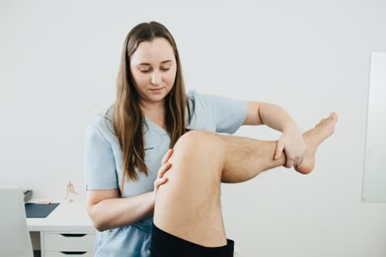
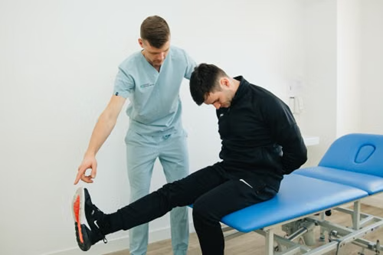
Joint stiffness and restricted movement can make everyday activities feel more difficult, whether you are walking, exercising, working, or simply getting through your daily routine. Reduced mobility may develop because of injury, inactivity, age-related changes, muscle tightness, or certain musculoskeletal conditions. Joint Mobility Treatment Droitwich can provide a personalised approach to improving movement and supporting physical function. Depending on individual needs, treatment may involve mobility exercises, stretching, hands-on techniques, strengthening, and practical movement advice.

Improve your movement and manage joint stiffness with personalised mobility treatment in Droitwich

How Can Joint Mobility Treatment Improve Movement in Droitwich?

1. Improve Restricted Joint Movement – Stiff joints can limit how comfortably you move through everyday activities. Joint mobility treatment can involve specific exercises and techniques designed around the affected area and the individual’s current range of movement. A gradual approach can help encourage comfortable movement while taking into account existing symptoms, physical ability, and treatment goals.

2. Address Stiffness Following Injury or Reduced Activity – Joint mobility can sometimes decrease after an injury, period of rest, surgery, or reduced physical activity. Remaining inactive for extended periods may contribute to stiffness and reduced confidence with movement. A structured rehabilitation programme can introduce appropriate movement gradually and help individuals work towards returning to their usual activities.

3. Support Strength and Joint Function – Mobility and strength often work together to support effective movement. Alongside mobility exercises, treatment may include strengthening exercises for the muscles surrounding a particular joint. Building appropriate strength can help support everyday movements such as walking, reaching, climbing stairs, lifting, or getting up from a chair.

4. Develop Movement Strategies Suited to Your Needs – Different people experience joint restrictions for different reasons. A professional assessment can consider how you move, which activities are difficult, and whether particular muscles or joints may be contributing to the problem. This information can be used to develop exercises and movement strategies that are appropriate for your individual requirements rather than relying on a generic programme.

5. Support Long-Term Physical Activity – Improving joint mobility is not only about addressing current stiffness. Developing better movement habits and maintaining appropriate physical activity can support ongoing mobility and function. A physiotherapist may provide exercises and practical advice that can be incorporated into a person’s regular routine, helping them remain active within their individual capabilities.

Support better flexibility, strength, and everyday movement with a tailored joint mobility program

Joint Mobility Treatment Droitwich can offer structured support for people experiencing stiffness, restricted movement, or difficulty with everyday physical activities. Through personalised assessment, mobility exercises, strengthening, hands-on treatment, and practical advice, physiotherapy can help support improved movement and physical function. A treatment programme tailored to your individual condition and goals can make it easier to work towards more comfortable and confident movement.

Joint Mobilisation

Elbow Pain Physiotherapy Droitwich for Improved Movement and Everyday Comfort

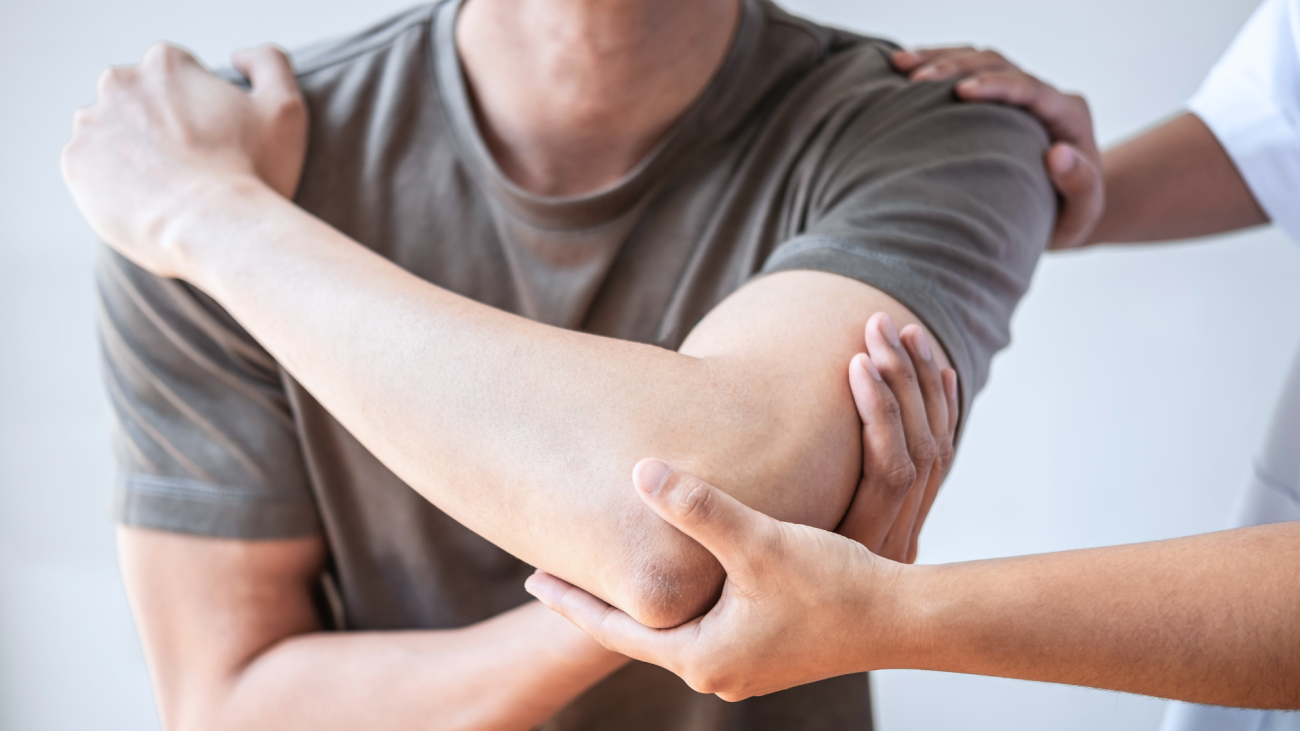
Elbow pain can make everyday activities such as lifting, gripping, typing, exercising, or reaching uncomfortable. It may develop from repetitive movements, sports activities, strain, injuries, or other musculoskeletal conditions. Elbow Pain Physiotherapy Droitwich can provide a structured approach to understanding the source of discomfort and supporting improved movement and function. Physiotherapy may combine assessment, targeted exercises, hands-on techniques, and practical advice based on the individual’s symptoms and activity requirements.

Personalized physiotherapy can support better movement, strength, and everyday function

How Can Elbow Pain Physiotherapy Help in Droitwich?

1. Understand the Possible Cause of Elbow Pain – Elbow discomfort can have different causes, and identifying contributing factors is an important part of appropriate treatment. A physiotherapy assessment can consider movement, strength, flexibility, symptoms, and everyday activities that may be placing stress on the elbow. Understanding these factors can help create a treatment approach suited to the individual’s condition and goals.

2. Improve Elbow Movement and Function – Pain and stiffness can affect how comfortably the elbow moves during everyday activities. Physiotherapy may include carefully selected mobility exercises designed to support a more comfortable range of movement. Improving movement can be particularly useful for people who have experienced an injury, repetitive strain, or reduced activity because of ongoing elbow symptoms.

3. Build Strength Around the Arm and Elbow – Reduced strength can sometimes contribute to difficulty with lifting, gripping, or other activities involving the arm. A physiotherapist may recommend progressive strengthening exercises for relevant muscles around the elbow, forearm, wrist, and upper arm. Exercises can be adjusted according to current ability and gradually progressed as movement and tolerance improve.

4. Address Repetitive Strain and Activity-Related Symptoms – Elbow pain can sometimes develop or become aggravated through repeated gripping, lifting, sports movements, or occupational activities. Physiotherapy can help identify movements or habits that may be contributing to symptoms and provide practical strategies for managing activity. This may include advice on exercise technique, pacing, posture, or temporary modifications to demanding activities.

5. Follow a Personalised Rehabilitation Plan – No two cases of elbow pain are necessarily the same. A personalised physiotherapy plan can take into account the individual’s symptoms, physical abilities, daily routine, and recovery goals. Treatment may be adapted over time as the person responds to exercises and gradually returns to normal activities.

Get professional support for elbow pain with a rehabilitation approach tailored to your symptoms and goals

Elbow Pain Physiotherapy Droitwich can provide structured support for people experiencing elbow discomfort, stiffness, weakness, or activity-related limitations. Through assessment, targeted exercises, movement guidance, and personalised rehabilitation, physiotherapy can help support better arm function and a gradual return to everyday activities. Choosing an appropriate treatment plan based on the underlying problem and individual goals can make rehabilitation more focused and manageable.