
rehabilitation clinic in Droitwich

Why Sports Massage Is Not Just for Athletes

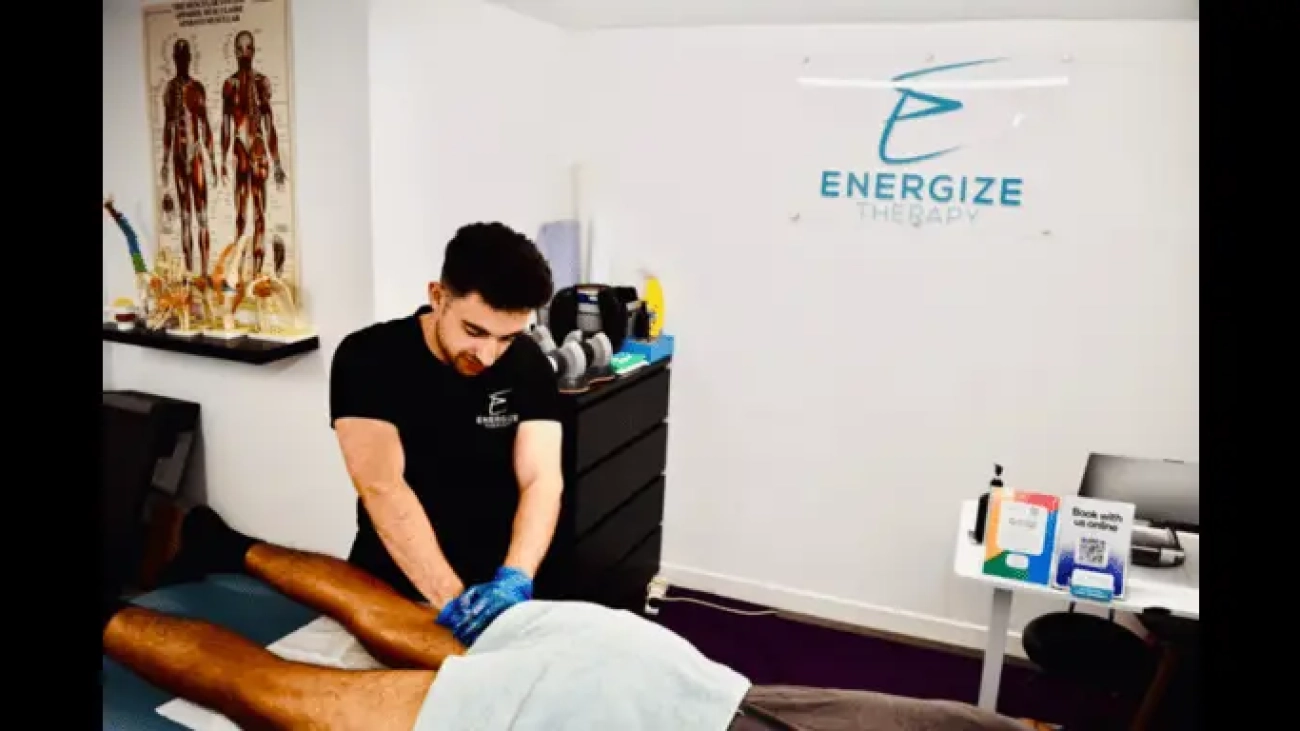
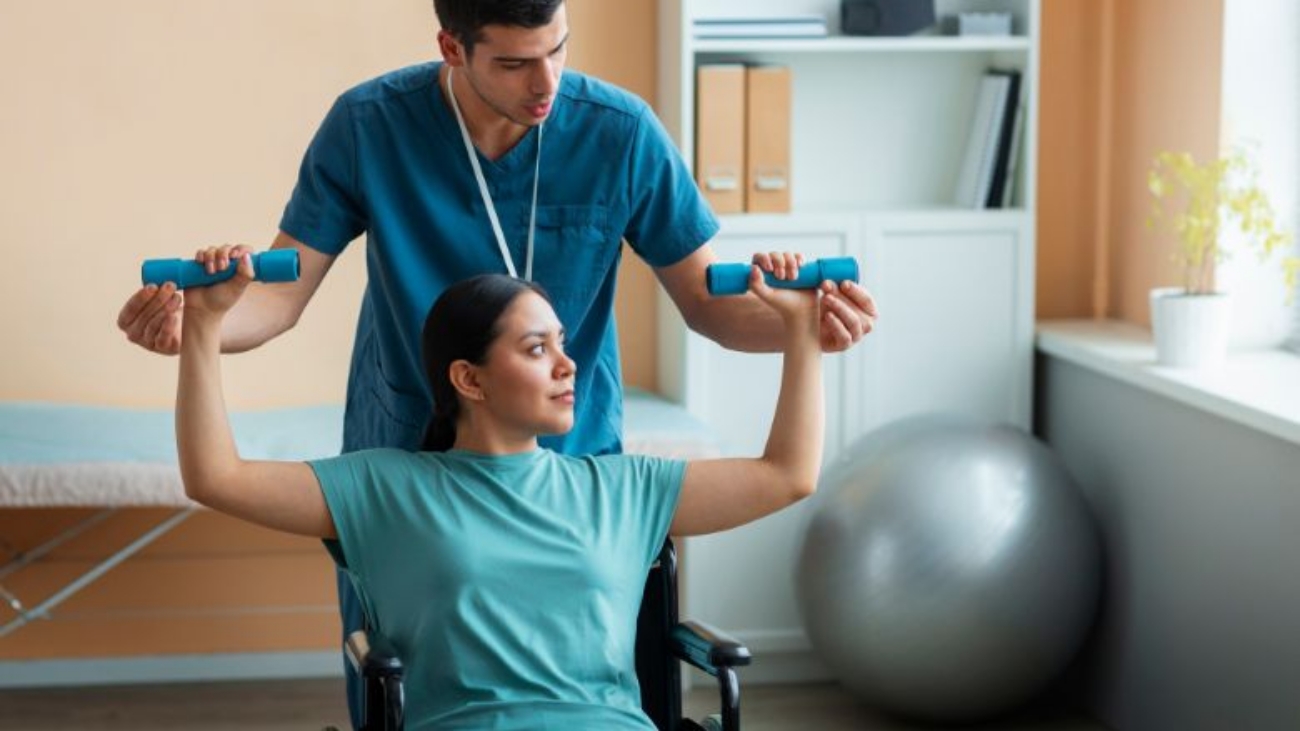
Massage has been used for a long time in order to address many musculoskeletal issues. There is a particular type, i.e., sports massage, which most people believe is used only for athletes or those who spend hours in the gym on a regular basis. In reality, this technique is also used to address issues faced by people who are not athletes, but the techniques are adapted based on the condition of the individual. People face issues like muscle tightness, stiffness, or issues associated with everyday activities or stress. A competent rehabilitation clinic in Droitwich uses the sports massage approach specifically tailored to individuals’ conditions and activity levels.

What Is Sports Massage?

This hands-on treatment relies on targeted techniques. The goal is to properly address muscular tension, movement-related discomfort, and tenderness. Sports massage differs from regular relaxation massage because it focuses on affected areas.

Though the technique is largely associated with athletic recovery, the approach works well for those who face issues due to prolonged sitting, physically demanding routines, or repetitive tasks.

Depending on the issue, its causes, and the condition of the individual, massage may involve multiple techniques in order to improve comfort, reduce tightness, and support movement.

Everyday Activities May Lead to Muscle Tension

Muscle tightness may result from an array of issues other than intense exercise. If people repeat the same movements, maintain the same posture or do not allow their muscles enough time to recover, the likelihood of facing muscle tension increases.

These patterns are pretty common among those who spend hours at a desk or remain in the same position for extended periods. The risk increases further if one does not take proper movement breaks in between.

Muscular fatigue is common among people whose work places excessive demands on their bodies. Even everyday tasks, such as gardening, cleaning or regularly carrying shopping on the same side, can contribute to muscle fatigue. In the majority of cases, people fail to notice such issues before they start causing noticeable discomfort because they learn to live with them over time.

Surprisingly, stress has a role to play here as well because it affects the way the body experiences pain. Some common habits, like clenching the jaw, holding the neck rigidly or tensing the shoulders during stressful periods, may add to the discomfort without people realising it.

Prominent Sports Massage Techniques and Their Benefits

The techniques used here depend on the individual’s symptoms, tolerance and treatment goals. Some of the commonly used techniques include:

Deep Tissue Massage: Slow and targeted strokes along with sustained pressure are used here to address deeper layers of muscle and the surrounding connective tissues. The technique is useful in treating persistent muscular tightness that has affected areas like shoulders, hips, legs, and the back.

Trigger Point Therapy: Trigger points are sensitive areas in the muscles that may cause local tenderness. In other cases, the trigger points can also cause pain in some other area of the body, which is called referred pain. The therapy applies controlled pressure to affected areas.

Myofascial Release: This technique uses sustained pressure or gentle stretching that is directed at fascia, which is the connective tissue. In case someone experiences a sensation of tightness or limited movement across a particular region, this approach may be used.

Who Can Benefit from Sports Massage?

Sports massage is used as a relevant technique for people with a range of activity levels, including:

Desk Workers and Office Professionals: They may experience discomfort around the neck, shoulders and upper back as a result of repetitive tasks or extended computer use.

People in Physically Demanding Jobs: They may experience muscle fatigue along with tightness after heavy lifting or simply standing for extended periods. Those who perform repetitive manual tasks also load the same structures regularly. If the muscle does not get proper time to recover, it may cause issues.

Recreational Exercisers: People who exercise recreationally benefit from sports massage when it comes to addressing soreness due to running, cycling, swimming, or strength training.

Competitive Athletes: They seek help to deal with persistent stiffness, muscular discomfort, or symptoms that affect their training and strength.

The most crucial consideration is not whether sports massage works only for athletes but whether one’s symptoms are suitable for such an approach.

Clinical Assessment Is Crucial

It starts with a thorough assessment in order to understand individual symptoms and the circumstances that contributed to the development of the issue. Based on the findings of this assessment, experts determine if the approach is suitable in this particular case.

The assessment considers medical history, previous injuries, daily activities, habits, exercise and movements that may intensify discomfort. Based on the information, realistic treatment goals are set. Managing neck and shoulder tension may be a priority for one person, while reducing muscular discomfort after exercise may be more important for another.

This is the reason why treatment is always adapted to such goals. Pressure and techniques applied depend on symptoms and the way the individual responds to the treatment approach. If it is found that massage can’t properly address the issue, an alternative treatment approach may also be recommended.

Sports Massage for Every Activity Level

A rehabilitation clinic in Droitwich understands the fact that one does not need to be a professional athlete to seek sports massage. Rather, the technique can be considered part of a broader approach to managing muscular discomfort and other movement-related symptoms.

Whether one works at a desk or spends the day performing physically demanding tasks on a regular basis, the right treatment approach reflects their lifestyle, overall physical condition, and personal goals.

Want to feel more energised and improve your sense of wellbeing? Energize Therapy is here with the right approach to support each individual through a plan tailored to their needs. 

Ligament Injury Treatment 1

Joint Mobility Treatment Droitwich for Better Movement and Everyday Function

Joint stiffness and restricted movement can make everyday activities feel more difficult, whether you are walking, exercising, working, or simply getting through your daily routine. Reduced mobility may develop because of injury, inactivity, age-related changes, muscle tightness, or certain musculoskeletal conditions. Joint Mobility Treatment Droitwich can provide a personalised approach to improving movement and supporting physical function. Depending on individual needs, treatment may involve mobility exercises, stretching, hands-on techniques, strengthening, and practical movement advice.

Improve your movement and manage joint stiffness with personalised mobility treatment in Droitwich

How Can Joint Mobility Treatment Improve Movement in Droitwich?

1. Improve Restricted Joint Movement – Stiff joints can limit how comfortably you move through everyday activities. Joint mobility treatment can involve specific exercises and techniques designed around the affected area and the individual’s current range of movement. A gradual approach can help encourage comfortable movement while taking into account existing symptoms, physical ability, and treatment goals.

2. Address Stiffness Following Injury or Reduced Activity – Joint mobility can sometimes decrease after an injury, period of rest, surgery, or reduced physical activity. Remaining inactive for extended periods may contribute to stiffness and reduced confidence with movement. A structured rehabilitation programme can introduce appropriate movement gradually and help individuals work towards returning to their usual activities.

3. Support Strength and Joint Function – Mobility and strength often work together to support effective movement. Alongside mobility exercises, treatment may include strengthening exercises for the muscles surrounding a particular joint. Building appropriate strength can help support everyday movements such as walking, reaching, climbing stairs, lifting, or getting up from a chair.

4. Develop Movement Strategies Suited to Your Needs – Different people experience joint restrictions for different reasons. A professional assessment can consider how you move, which activities are difficult, and whether particular muscles or joints may be contributing to the problem. This information can be used to develop exercises and movement strategies that are appropriate for your individual requirements rather than relying on a generic programme.

5. Support Long-Term Physical Activity – Improving joint mobility is not only about addressing current stiffness. Developing better movement habits and maintaining appropriate physical activity can support ongoing mobility and function. A physiotherapist may provide exercises and practical advice that can be incorporated into a person’s regular routine, helping them remain active within their individual capabilities.

Support better flexibility, strength, and everyday movement with a tailored joint mobility program

Joint Mobility Treatment Droitwich can offer structured support for people experiencing stiffness, restricted movement, or difficulty with everyday physical activities. Through personalised assessment, mobility exercises, strengthening, hands-on treatment, and practical advice, physiotherapy can help support improved movement and physical function. A treatment programme tailored to your individual condition and goals can make it easier to work towards more comfortable and confident movement.

Joint Mobilisation

Elbow Pain Physiotherapy Droitwich for Improved Movement and Everyday Comfort

Elbow pain can make everyday activities such as lifting, gripping, typing, exercising, or reaching uncomfortable. It may develop from repetitive movements, sports activities, strain, injuries, or other musculoskeletal conditions. Elbow Pain Physiotherapy Droitwich can provide a structured approach to understanding the source of discomfort and supporting improved movement and function. Physiotherapy may combine assessment, targeted exercises, hands-on techniques, and practical advice based on the individual’s symptoms and activity requirements.

Personalized physiotherapy can support better movement, strength, and everyday function

How Can Elbow Pain Physiotherapy Help in Droitwich?

1. Understand the Possible Cause of Elbow Pain – Elbow discomfort can have different causes, and identifying contributing factors is an important part of appropriate treatment. A physiotherapy assessment can consider movement, strength, flexibility, symptoms, and everyday activities that may be placing stress on the elbow. Understanding these factors can help create a treatment approach suited to the individual’s condition and goals.

2. Improve Elbow Movement and Function – Pain and stiffness can affect how comfortably the elbow moves during everyday activities. Physiotherapy may include carefully selected mobility exercises designed to support a more comfortable range of movement. Improving movement can be particularly useful for people who have experienced an injury, repetitive strain, or reduced activity because of ongoing elbow symptoms.

3. Build Strength Around the Arm and Elbow – Reduced strength can sometimes contribute to difficulty with lifting, gripping, or other activities involving the arm. A physiotherapist may recommend progressive strengthening exercises for relevant muscles around the elbow, forearm, wrist, and upper arm. Exercises can be adjusted according to current ability and gradually progressed as movement and tolerance improve.

4. Address Repetitive Strain and Activity-Related Symptoms – Elbow pain can sometimes develop or become aggravated through repeated gripping, lifting, sports movements, or occupational activities. Physiotherapy can help identify movements or habits that may be contributing to symptoms and provide practical strategies for managing activity. This may include advice on exercise technique, pacing, posture, or temporary modifications to demanding activities.

5. Follow a Personalised Rehabilitation Plan – No two cases of elbow pain are necessarily the same. A personalised physiotherapy plan can take into account the individual’s symptoms, physical abilities, daily routine, and recovery goals. Treatment may be adapted over time as the person responds to exercises and gradually returns to normal activities.

Get professional support for elbow pain with a rehabilitation approach tailored to your symptoms and goals

Elbow Pain Physiotherapy Droitwich can provide structured support for people experiencing elbow discomfort, stiffness, weakness, or activity-related limitations. Through assessment, targeted exercises, movement guidance, and personalised rehabilitation, physiotherapy can help support better arm function and a gradual return to everyday activities. Choosing an appropriate treatment plan based on the underlying problem and individual goals can make rehabilitation more focused and manageable.

Neck pain causing headaches and treatment options

Can Neck Pain Cause Headaches And What Can Help

A headache does not always start in the head. Sometimes, the source can be found lower down, especially when neck pain, stiffness, or muscle tensions are present. Such a situation makes it difficult for individuals to differentiate whether the headache is causing the neck discomfort or the headache has resulted from problems in the neck.

This relationship can be recognised in some types of headaches that include cervicogenic headaches, in which pain originates from structures in the neck and is felt in the head. Tension in the muscles around the neck and shoulders can also contribute to headaches. Properly understanding this connection can help when deciding whether to look beyond temporary pain relief and consider neck pain therapy in Droitwich to address the underlying neck-related factors.

How Can Neck Pain Lead to a Headache?

There are joints in the upper part of the neck, along with muscles and nerves. These nerves are connected with the pain-sensitive structures present in the head and the face. If these structures become irritated or overloaded, the resulting pain can be experienced away from the original source.

Stiffness in the upper cervical joints or tension in the muscles around the neck or shoulders can contribute to pain that travels towards the back of the head, temples, or even forehead. This does not simply mean that every headache is accompanied by neck pain or caused by the neck.

What Does a Neck-Related Headache Feel Like?

No single sensation confirms that a headache is coming from the neck. But some people experience headaches along with restricted neck movement, neck stiffness, or discomfort around the base of the skull.

Such pain may intensify on one side and sometimes starts around the neck or back of the head before it starts to spread towards the front. Particular neck movements or sustained positions can aggravate symptoms.

Physiotherapy assessment can help in determining whether the neck is contributing to the problem rather than assuming it to be the cause.

Why Might Your Neck Be Causing Problems?

Modern routines are placing considerable demands on the neck, such as long periods of working at the desk, looking down at a phone consistently, driving, or maintaining one position. Such a lifestyle can leave the muscles around the neck and shoulders working continuously.

Previous injury, sudden increase in physical activity, or poor sleep positioning can also contribute to neck pain and stiffness. In addition, stress has a role to play as well. People unconsciously tense their shoulder and neck muscles when they are under pressure, which potentially adds to existing muscular discomfort.

What Can Help When Neck Pain and Headaches Occur Together?

A suitable approach depends on the findings of the assessment. When neck stiffness or muscular tension appears as a contributing factor to head symptoms, treatment usually focuses on improving movement and reducing the factors that are fuelling the problem.

Physiotherapy may involve hands-on techniques like joint mobilisation along with soft-tissue approaches and exercises that are designed around the needs of the individuals. Neck pain services in clinics may also use deep tissue and trigger point techniques, posture guidance, gentle mobilisation, myofascial techniques, and customised stretches.

Exercises are also important, especially when the goal is to improve the way the neck functions over time rather than just providing short-term relief. Based on the findings, these methods also aim to improve the way people approach activities that may aggravate the symptoms.

Can Massage Help in Neck-Related Headaches?

Massage is useful in cases when muscular tension might be contributing to neck discomfort and associated headaches. Especially, techniques like deep tissue massage and trigger point therapy are used to address areas of muscular tightness.

But one should not view massage as a universal treatment for headaches. In some cases, headaches keep returning; there is a need to take a closer look at the cause rather than focusing on temporary relief alone.

What About Exercise and Strengthening?

Neck strengthening is not about building bigger neck muscles. Proper exercises may help improve muscle tolerance and support the neck and shoulders to make everyday activities easier.

One benefits from exercises the most when the exercises match the symptoms and current ability of the person. A person with considerable stiffness or acute pain will need a different starting point as compared to someone who is facing recurring episodes of pain after long hours at the desk.

The rehabilitation also needs to progress with the improvement in symptoms rather than keeping the exercises the same.

💡 Related Read: Top 7 Common Daily Habits That Are Causing Your Neck Pain

When Should You Get the Headache Checked?

The majority of headaches don’t result from serious underlying problems. But there can be some symptoms that deserve prompt medical attention rather than assuming neck tension as the cause.

Urgent medical help should be sought in case of sudden and extremely severe headaches, especially the ones that reach maximum intensity pretty quickly. If the headache occurs with weakness, confusion, changes in vision, fainting, or difficulty in speaking, immediate medical attention is needed.

If there is a new or persistent pattern of headaches, it also needs to be discussed with an appropriate healthcare professional, particularly when the symptoms become more frequent than before.

How Does Physiotherapy Fit into This Picture?

A careful assessment goes beyond the location of the pain. Physiotherapists consider neck movement, strength, muscular tension, and previous injuries, along with the movements and positions that reproduce the symptoms.

With the help of these assessments, clinicians establish whether a musculoskeletal contribution is involved in the headache and which areas can reasonably be addressed through rehabilitation. A tailored treatment plan is then developed following a thorough assessment. Depending on the individual’s condition, neck pain therapy in Droitwich may include physiotherapy that combines practical advice, hands-on treatment, and exercise rehabilitation.

Take the Neck Pain Seriously, Not Just the Headache

If your headache appears repeatedly along with neck stiffness, restricted movement, or shoulder tension, the neck may need a thorough investigation as part of the bigger picture of this issue.

We at Energize Therapy carry out thorough evaluation of such symptoms and design a treatment plan around your needs. Get in touch to address the underlying cause and see how physiotherapy and rehabilitation may help. 

Whole-body approach to back pain

Discover Why Back Pain Needs A Whole-Body Approach

Back pain can affect much more than your ability to bend, lift, or sit comfortably. It can influence how you work, exercise, sleep, and manage everyday activities. When discomfort develops, it is natural to focus on the exact area that hurts. However, the painful part of the back is only one piece of a much larger picture.

The body works as a connected movement system. How your hips move, how your muscles manage physical demands, the way you sit or stand at work, and even changes in your daily activity can all influence how your back feels and functions.

This is why a whole-body approach can be valuable when assessing and managing back pain. Rather than assuming there is one simple “root cause”, it considers the different factors that may be contributing to an individual’s symptoms and movement.

Why the Painful Area Does Not Always Tell the Whole Story

Pain is important, but its location alone does not necessarily explain everything that is happening. The lower back works alongside the hips, pelvis, abdominal muscles, and surrounding areas whenever you walk, bend, twist, lift, or change position. If movement in one area is limited, uncomfortable or poorly coordinated, another part of the body may have to adapt.

For example, someone experiencing back discomfort may also have reduced hip mobility or find certain movements difficult. Another person may have good mobility but lack the strength or confidence needed to manage repeated lifting at work. Someone else may spend much of the day sitting and notice that their symptoms become more noticeable after long periods in the same position.

These situations demonstrate why back pain should be considered in the context of the individual rather than through a one-size-fits-all explanation.

Understanding Your Movement Patterns

Everyday movement can provide useful information when exploring back pain. Think about how many times you bend, reach, twist, sit down, stand up, or carry something during a normal day. These actions involve several areas of the body working together.

A professional assessment may therefore look beyond an isolated painful area and consider how you perform movements that are relevant to your daily life. This could include walking, squatting, bending or other activities connected with your work, exercise or hobbies. The aim is not necessarily to identify one movement as “wrong”. Bodies naturally move in different ways. Instead, understanding movement patterns can help identify activities that are currently difficult, restricted or uncomfortable and guide an appropriate management programme.

The Role of Strength in Managing Physical Demands

Strength is another important part of the wider picture. Your muscles help you manage the forces placed on your body during everyday activity. Different people face very different physical demands, which means the type and level of strength they require can also vary considerably.

An office worker may need to tolerate prolonged sitting and regular transitions between sitting and standing. A builder may repeatedly lift, carry, reach and work in different positions. A parent may frequently pick up a young child, while a keen gardener might spend considerable time bending, kneeling and carrying equipment.

A gradual strengthening programme can be tailored around the activities that matter to the individual. Rather than simply concentrating on one painful muscle or area, exercises may consider the trunk, hips, legs and other relevant parts of the body.

The goal is to help the body become better prepared for the activities and physical demands it needs to handle.

Why Mobility Matters Too

Strength and mobility often need to work together. Mobility refers to your ability to move comfortably through the range required for a particular activity. The amount of mobility you need depends on what you do. Someone who spends most of their working day at a desk may have very different requirements from a tradesperson, athlete or warehouse worker.

When considering back pain in Droitwich, it can therefore be useful to assess whether movement restrictions elsewhere in the body are relevant to the activities that provoke or aggravate symptoms.

This does not mean that limited mobility automatically causes back pain. Instead, it means mobility can be one of several factors worth considering as part of a broader assessment.

Looking at Work and Everyday Physical Demands

Managing back pain without considering a person’s normal routine can leave an important part of the picture unexplored. Work is a good example. Some jobs involve sitting for hours, while others require frequent lifting, driving, pushing, pulling or standing. Repetitive tasks and physically demanding activities can also influence how the body is loaded throughout the day. Outside work, household responsibilities, childcare, sport, hobbies and commuting can add further physical demands. Understanding these factors can help make rehabilitation more relevant. Exercises performed in a treatment environment are useful when they support progress towards real-life goals, whether that means sitting comfortably at a desk, returning to the gym, gardening, lifting safely at work or simply enjoying a walk without being preoccupied by discomfort.

Lifestyle Can Be Part of the Bigger Picture

Back pain does not happen in isolation from everyday life. Sleep, general activity levels, recovery time and changes in routine may all be worth discussing when building a broader understanding of someone’s experience.

For instance, becoming less active because movement feels uncomfortable can sometimes make returning to normal activity feel more challenging. Equally, suddenly increasing exercise, workload or physical activity can place demands on the body that it has not recently been accustomed to.

This is why gradual progression can be useful. Instead of expecting an immediate return to every previous activity, a structured approach can help build movement, strength and confidence over time according to individual circumstances.

Lifestyle advice should also be realistic. A plan that works well on paper is unlikely to be helpful if it cannot fit around someone’s job, family responsibilities or normal routine.

Avoiding the Search for One Simple Root Cause

It can be tempting to want one clear explanation for back pain. However, back pain can be influenced by a combination of factors, and different people can experience similar symptoms for different reasons.

That is why statements claiming that every case of back pain comes from one weak muscle, poor posture, or a single movement problem should be treated cautiously.

A more balanced approach considers the individual’s symptoms, medical history, movement, strength, mobility, activity levels and physical demands. Relevant factors can then be addressed without assuming that one finding explains everything.

This individualised perspective can also help establish realistic goals based on what the person actually wants and needs to do.

👉 Also Read: Top 7 Common Daily Habits That Are Causing Your Neck Pain

Building a Plan Around You

A whole-body approach to back pain is ultimately about seeing the person rather than focusing solely on a painful body part.Assessment can help establish which movements are comfortable, which activities are currently difficult, and what demands your body needs to meet. From there, an individual programme may incorporate appropriate movement, mobility work, progressive strengthening and practical advice.Progress can then be reviewed and the programme adjusted according to how you respond.

There is rarely a universal exercise, stretch or routine that suits everyone experiencing back pain. A programme that reflects your symptoms, lifestyle, work and goals is far more relevant than simply following a generic collection of exercises.

Take a Broader View of Your Back Pain

Your back is part of a body that moves, works and responds as a whole. Focusing exclusively on the place that hurts can therefore overlook useful information about your movement, strength, mobility, lifestyle and everyday physical demands.

Taking a wider view does not mean searching for hidden problems throughout the body or claiming to discover a single underlying cause. It means considering the different factors that may be relevant to your individual experience.

If back pain is affecting your work, exercise or everyday life, a professional assessment can help you better understand your current abilities and identify an appropriate way forward. With an individualised and progressive approach, the focus can shift from simply treating an uncomfortable area towards helping you move and manage the activities that matter to you.

For professional support with back pain in Droitwich and a personalised approach that considers your movement, strength, mobility and lifestyle, contact Energize Therapy to discuss how treatment and rehabilitation can be tailored to your individual needs and goals.

Other areas of pain can also affect how you move and manage everyday activities. If you are experiencing Knee Pain Droitwich, Shoulder Pain Droitwich or Elbow Pain Droitwich, a wider assessment can help understand your symptoms alongside your movement, strength and daily physical demands.

Shoulder strength therapy

The Role Of Strength Training In Long-Term Shoulder Pain Recovery

People often picture lifting heavy weights or enhancing their athletic performance while thinking about strength training. In reality, the purpose of this training extends beyond the gym. During rehabilitation, strength training becomes one of the most effective ways to restore movement, improve joint stability, and reduce the risk of recurring injuries. This is especially true in the case of the shoulder, one of the complex and mobile joints of the human body. There is no doubt that treatment relieves discomfort, but long-term recovery is always dependent on rebuilding the muscles that help the shoulder be stable while performing everyday movements. Hence, understanding the role of strength training is the most important way to prevent the same issue from recurring for all those who seek the right solutions for shoulder pain in Droitwich.

Why Strength Training Is Essential for Long-Term Recovery

The incredible flexibility of the shoulder means it relies heavily on surrounding muscles for proper support. Post-injury, muscles often become weaker than before. Even after treating discomfort, it can’t be ensured that the muscles responsible for stabilising the joint have regained their coordination and strength. This condition leaves the shoulder muscles vulnerable to future injuries during everyday activities.

Strength training addresses this issue by properly rebuilding the support system that surrounds the joint. As the shoulder recovers from injury, this training helps in preparation to meet the daily demands through seamless and stable movement.

Understanding the Importance of Stabilising Muscles for the Shoulder

Stabilising muscles like rotator cuff muscles work quietly in the background to keep the joint properly aligned as the shoulder moves in different directions, unlike the larger muscles that are responsible for generating powerful movements.

These muscles make countless adjustments to keep movement controlled and smooth every time one reaches for a shelf, lifts a shopping bag, or carries out everyday tasks. When the stabilising muscles become weak, the shoulder has to work harder to perform even the simplest movements. As other muscles try to compensate, uneven movement patterns develop, placing additional stress on the joint over time. This is one of the common reasons many people experience persistent shoulder pain, especially when underlying muscle weakness goes unaddressed.

Strength training specifically targets these stabilising muscles to support long-term recovery and improve overall shoulder function. Strengthening these muscles enhances the shoulder’s ability to cope with daily demands while reducing unnecessary stress on vulnerable structures. Whether recovering from an injury or managing ongoing shoulder pain, improving shoulder stability can help restore comfortable, pain-free movement and reduce the risk of future problems.

Strength Training Is About Control, Not Just Power

The biggest myth about rehabilitation is that strength training is all about building bigger or stronger muscles. In reality, proper shoulder rehabilitation is as much about strength as it is about control.

Modern therapeutic exercises have been particularly designed to improve the way the shoulder moves so that different muscle groups work together efficiently. This is the reason why the training starts with gentle and controlled movements before it progresses into more challenging exercises when the stability improves.

The ultimate goal here is not to lift the heaviest weight possible but to build a shoulder that can move efficiently, confidently, and without requiring any unnecessary compensation.

Stronger Stabilising Muscles Prevent Future Injuries

The biggest benefit of strength training is that its effects continue after the initial pain has settled. Strong rotator cuff muscles keep the shoulder properly positioned through every movement, and this improved control ends up reducing excessive movement within the joint. As a result, the strain on tendons, soft tissues, and ligaments is lowered significantly.

Individuals find everyday activities easier to perform whether they are working at a desk or participating in sport. As stability is built with targeted strengthening, it improves the current symptoms while reducing the risk of the same injury from returning in the future.

Weak Rotator Cuff Muscles Slow Complete Recovery

Recovery is not about eliminating pain but about restoring the natural ability of the shoulder without limitations. If stabilising muscles remain weak through the recovery process, the shoulder may appear to have recovered, but it lacks the level of support needed to adequately sustain movement. Such a situation leaves individuals hesitant when they think about returning to work, engaging in recreational activities, or exercising. Strengthening these key muscles is a prerequisite to complete recovery, as it restores confidence in the joint and enables it to function normally under varying demands. Hence, strength training not only supports recovery but also ensures that recovery is complete.

Strength Training Helps Shoulder Adapt to Increasing Demands

The joint does not automatically become ready for all the physical activity after recovery. As daily demands increase, the shoulder needs to be able to handle progressively greater loads. By strengthening the rotator cuff muscles, the joint gets the ability to adapt properly to the increasing demands and also improves its capacity to cope with more stress while avoiding overload. Such a gradual adaptation is often overlooked but is highly crucial for preventing future injuries, as it does not leave the shoulder vulnerable during varying mechanical demands.

Strong Stabilising Muscles Restore the Natural Movement of the Shoulder

After an injury, the body naturally alters the way it moves, and the same holds for the shoulder. This is a natural response of the shoulders to avoid pain. Rotator cuff muscles help ensure natural movement, which is why strengthening them promotes the same. With every bit of strength that these muscles gain, the movement becomes more balanced and coordinated. Balanced movement helps individuals get through daily activities without causing any unnecessary strain. Restoration of natural movement is achieved by strong stabilising muscles, which work effectively in reducing the likelihood of injuries in the long term.

Final Words

Strength training for stabilising muscles is about much more than simply rebuilding muscle mass. It is a vital part of restoring healthy shoulder function. As these muscles become stronger, they provide better joint support, improve movement control, enhance stability, and reduce the risk of recurring injuries. For individuals experiencing shoulder pain in Droitwich, targeted strengthening of the shoulder stabilisers can address the underlying causes of pain rather than just relieving the symptoms. At Energize Therapy, we personalise rehabilitation programmes focusing on rebuilding these essential muscles to improve mobility, eliminate discomfort, and promote long-term shoulder health and injury prevention.

Sitting posture and back pain

Why Sitting Is Still One Of The Biggest Health Risks

When in pain, it may be difficult for you to get up and move. But consider this: spending too many hours sitting is hazardous to your health. Long hours of sitting or lack of physical activity raise risks of obesity, diabetes, and other pain-related issues. Researchers explain that prolonged sitting relaxes your largest muscles, and when muscles relax, they take up very little glucose from the blood, thus raising the risk of lifestyle diseases.

Many people don’t consider the impact of sitting because it doesn’t feel physically demanding. However, the human body is meant for movement, and when we remain seated for hours, our muscles, joints, and spine experience changes that can gradually lead to muscle stiffness, discomfort, and chronic pain.

How Sitting for Long Hours Affects Your Back Health

One of the common difficulties we often face while sitting for long hours is back pain. With poor posture, when we sit for prolonged hours, our natural curve of the spine can become strained. Slouching, leaning towards a computer screen, or sitting without proper back support can increase pressure on the lower back and surrounding muscles.

This May Over Time Result In:

  • Muscle stiffness and lower back pain
  • Neck and shoulder pain
  • Reduced mobility
  • Muscle weakness
  • Poor posture and spinal alignment issues

Office workers, students, and people who work from home are often at risk due to their job nature, which involves long periods of inactivity. The problem is not only their long hours of sitting but also the lack of movement between intervals. Remaining inactive for too long reduces blood circulation, causes muscles to get stiff, and places additional strain on areas that support the spine. Incorporating regular movement, stretching, and therapies such as sports massage in Droitwich can help relieve muscle tension, improve flexibility, and support better physical wellbeing for those experiencing the effects of prolonged sitting.

Other than sitting for long hours, stress and a busy schedule also contribute to the problem. When people are stressed with deadlines and responsibilities, daily workouts often become a lower priority. Inactivity, poor posture, and muscle tension can lead to recurring pain and other health hazards.

Seeking professional help through pain management services in Droitwich can provide a possible solution to the discomfort and provide personalised strategies to manage and reduce pain effectively.

Steps on How to Reduce the Risks of Sitting

You can make a good start by preventing sitting-related health problems. Remember, consistency is key, and remaining consistent with lifestyle changes can really help you a lot.

Take Movement Breaks

Avoid sitting for long hours. Try getting up, stretching, or walking around for 10 to 15 minutes. Every short break can help improve circulation and reduce muscle stiffness.

Correct Sitting Posture

A good sitting posture can protect your spine. While doing this, keep your feet flat on the floor, keep your spine straight, and avoid rounding your shoulders. Maintain your computer screen positioned at eye level in order to prevent unnecessary neck strain.

Support Muscle Strengthening

Regular workout and exercise help strengthen the core, back, and leg muscles that support the spine. Simple activities like walking, stretching, and yoga can improve flexibility and reduce the chances of back pain due to muscle stiffness.

Prefer Ergonomic Workspace

When working from home, sit on a suitable chair, at a properly positioned desk, and at a correct screen height. This can prevent posture-related issues over the long term.

When You Need Professional Support

While occasional pain or discomfort after sitting for long periods is common, any worsening condition should be given proper attention. Persistent back pain can affect regular life by affecting sleep, mobility, work performance, and overall quality of life.

Professional help in this regard can help identify the underlying cause of pain rather than simply managing pain. Depending on the individual’s condition, treatment approaches may include the following:

  • Physical therapy and rehabilitation exercises
  • Manual therapy techniques
  • Posture correction strategies
  • Mobility and strengthening programmes
  • Lifestyle recommendations to support recovery

Personalised attention to your pain symptoms ensures that treatment is focused on the specific needs of each person rather than offering a common solution to all. For those experiencing ongoing discomfort, pain management services in Droitwich canprovide expert advice andeffective treatment options designed to improve mobility and restore confidence in daily activities.

Sitting is a normal act of your daily life, but it doesn’t have to affect your health. Making simple adjustments, exercising regularly, taking occasional breaks from sitting for long hours, and paying attention to posture can significantly reduce the risk of developing long-term back problems.

The key is to recognise that staying active is essential for maintaining a healthy body. Thus, whether you work in an office, run your own business, or spend many periods sitting each day, taking care of your spine should be on your top priority list. With the right preventive measures and professional support when needed, it is possible to stay fit, active, and pain-free.

For expert guidance and personalised care solutions, Energize Therapy helps individuals with a customised approach to manage pain, improve mobility, and achieve better long-term health outcomes.

Experience personalised Physiotherapy Services In Droitwich and take the next step towards a healthier, more active life.

FAQs

Q1. Is sitting for long hours really bad for your back?

A. Yes. Prolonged sitting, especially with poor posture, can place extra pressure on your spine and surrounding muscles. Over time, this may lead to stiffness, lower back pain, neck discomfort, and reduced mobility.

Q2. What are the best ways to reduce the risks of prolonged sitting?

A. Simple lifestyle changes can make a big difference. Taking regular movement breaks, maintaining good posture, using an ergonomic workstation, and staying physically active can help prevent muscle stiffness and reduce the risk of back pain.

Q3. When should I seek professional help for back pain?

A. If your back pain continues for several days, becomes more severe, or starts affecting your daily routine, sleep, or mobility, it is a good idea to seek professional advice. Early assessment and treatment can help prevent the condition from worsening.

Modern Rehabilitation and Recovery

Why Modern Rehabilitation Is About More Than Just Recovery

For years, wellness has been categorised by action, exercise routines, productivity, and the constant pursuit of improvement. But recently, a bigger shift is taking place. More people are realising the fact that progress isn’t just built through effort; it is attained through recovery. This change explains a deeper understanding of how the body functions in real life. Performance, whether physical or mental, depends on how well we manage the periods between efforts. It is just said that recovery is no longer reserved for athletes or injury; it has become an essential part of every wellness.

At Energize Therapy, a trusted rehabilitation clinic in Droitwich, rehabilitation is all about helping individuals feel confident, move better, and live healthier for the long term. Whether you are an athlete, 9-to-5 office worker, parent, senior citizen, or retiree, modern rehabilitation offers benefits that go far beyond healing injuries.

Recovery Matters More Than Ever

Recovery is where the body heals. It’s the process that relaxes muscles and joints, decompresses the nervous system to reset. Without it, performance suffers, tasks require more effort, and physical discomfort increases. What makes recovery important today is that much of our strain comes from our daily lifestyle and builds quietly through habits we don’t always notice.This is why more people are shifting toward proactive recovery, addressing the problem early rather than leaving it to become a concern.

The Way from Recovery to Performance

Traditional rehabilitation is centred around reducing pain and restoring basic function post-injury. While pain relief remains important, modern physiotherapy takes a broader approach. Today, rehabilitation programmes are customised to identify the root cause initially to identify the mobility issues, and then improve physical performance, and build resilience against future injuries.

This shift is largely driven by advances in research and evidence-based practice. Physiotherapists now understand that the body functions as an interconnected system. Pain or injury in one area may actually stem from weakness, imbalance, or poor movement patterns elsewhere.

For example, recurring knee pain may not simply be a knee issue. It could be linked to poor hip stability, muscle weakness, posture, or even lifestyle habits such as prolonged sitting. Modern rehabilitation addresses the whole body rather than treating symptoms in isolation.

How Evidence-Based Physiotherapy Makes a Difference

One reason that makes modern rehabilitation so effective is the use of evidence-based physiotherapy. This means rehabilitation programs are backed by scientific research, clinical expertise, and individual patient needs. This program is different from “one-size-fits-all” approaches, where a common plan is carried out for all patients. Instead, physiotherapists tailor treatment programmes based on current practices and the patient’s personal goals.

Research now strongly supports active rehabilitation over prolonged rest for many musculoskeletal conditions. Movement, when prescribed correctly, promotes healing, improves circulation, and restores normal function more effectively than inactivity.

Evidence-based care may include:

  • Personalised therapy based on injury or physical condition
  • Manual therapy techniques
  • Strength and conditioning
  • Mobility and flexibility training
  • Postural correction
  • Functional movement assessments
  • Education on lifestyle and injury prevention.

This combination creates a complete rehabilitation experience that supports long-term wellbeing.

Again, mobility and physical resilience are not built in a day. They need professional therapy and consistent care. Recovery plays a central role in this process. It allows the body to maintain perfect balance, adapt to strain, and continue functioning effectively over the long term.

The Future of Rehabilitation

As physiotherapy continues to evolve, rehabilitation will become more integrated into preventive healthcare and lifestyle management. Scientific techniques, movement analysis, and personalised exercise programming are helping modern physiotherapists deliver more precise and effective treatment plans.  However, the core principle is about helping people move freely, stay active, and enjoy long-term physical wellbeing. Now, patients are no longer treated as injuries to be fixed. They are attended to personally with unique goals and long-term health aspirations. Thus, modern rehabilitation is about creating stronger, healthier, and more resilient bodies for the future.

Energize Therapy’s attention to detail and personalised approach reflect the modern way of physiotherapy care. Instead of offering common or generic treatment plans, their rehabilitation programmes are tried and tested, tailored to meet each individual’s specific goals and challenges.

Some patients have tight shoulders from sitting for hours, poor posture, or some may want to return to competitive sport. Again, others may simply wish to walk comfortably, lead a normal, regular life, or stay active as they age. A personalised rehabilitation plan covers all and ensures treatment remains relevant, achievable, and motivating.

This patient-centred approach often leads to better engagement, improved outcomes, and greater long-term success.

In the end, choosing the right rehabilitation clinic in Droitwich, Worcestershire and staying committed to the process can make a significant difference. With the right resources and mindset, recovery is not only possible but it can lead to a healthier and more balanced life.

Whether you are recovering from physical strain, improving mobility, or aiming for better athletic performance, professional Sports Massage Droitwich services can support faster recovery, reduce muscle tension, and help maintain long-term physical wellbeing.

sports massage therapy

When Should You See a Sports Therapist? Signs Your Body Needs Treatment

An athlete’s biggest fear: a sharp pain in the middle of training that just won’t go away. With a little rest, you could be back to working out in no time. But what if your injury is intense and often troubling? Maybe it’s time you should see a sports therapist to treat your injury.

Sports massage therapy is a specialised area of physiotherapy that involves assessment, treatment, and rehabilitation of injuries related to sports and physical activity. An essential aspect of the procedure goes beyond recovery; it also aims to enhance performance. Research shows that this therapy addresses the unique needs of athletes through thorough detailing and treatment approaches. Therapists create customised rehabilitation plans based on an individual’s sport or activity, thereby helping them overcome their pain efficiently while improving flexibility and mobility. 

Compared to regular physiotherapy, sports massage in Droitwich includes rehabilitation programs specifically designed for various sports. This also consists of a blend of manual therapy, specific exercises, and assessment sessions directed towards meeting the individual needs of athletes.

By understanding your body mechanics, movement patterns, and lifestyle, Energize Therapy develops a holistic approach that minimizes the risk of re-injury while promoting lasting health and well-being.

Signs Your Body Needs to Seek Treatment 

1. Persistent Pain

If your pain is consistent and doesn’t get better with rest or self-help, it is necessary to seek professional assistance. When you experience pain after an activity that lasts for weeks, you need a medical evaluation.

2. Stiffness

Motion stiffness or inability to fully move a joint will hinder your sports performance and daily activities. These are caused by inflammation, scar tissue, or tight muscles. By applying methods such as manual therapy and assisted stretches, one can help regain normal function.

3. Abnormal Sensations

There are conditions like numbness, tingling, or “pins and needles,” which are common symptoms when nerves are involved. It usually comes from nerve compression in the spine, the joints, or the limbs. If left untreated, the conditions are triggered with every action, and one can experience a general decline in overall functioning.

4. Muscle Weakness

Muscle weakness or imbalance can reduce stability and limit control, making players more vulnerable to injury. These issues may develop during rehabilitation or arise from inefficient movement patterns in training or competitive play.

5. Returning Post-Surgery

Recovery from surgery or a long absence from physical activity demands well-planned rehabilitation. Without regular physical activity, muscles weaken, joints stiffen, and cardiovascular fitness declines.

6. Injury Prevention

Not all visits to a physiotherapist are due to an injury; many athletes visit a professional sports massage therapist in Droitwich for proactive performance enhancement. Through targeted strength training, agility work, biomechanical corrections, and energy system conditioning, this approach not only reduces the risk of injury but also elevates overall athletic capability.

What to Expect During Your Visit

When in pain, you may have searched for every possible remedy for quick relief. But the best result can be expected at a professional’s clinic. Here are a few steps you can expect during your sports injury and massage clinic visit.

Pre-Assessment of Injury: The first visit includes a complete assessment of your injury history, current symptoms, and physical activities.

Evaluation: The therapist will evaluate your physical condition through discussion and examination and then suggest the best possible massage therapy.

Personalised Treatment Plan: There is no ‘one-size-fits-all’ approach. A personalised treatment plan will be developed, mixing manual therapy, therapeutic exercises, and heat or ice therapy.

Follow-up Visit: A regular and routine visit to your therapist ensures quick progress. This also allows professionals to modify exercises and treatments as needed based on your condition.

Support: You will be educated on how to manage your condition, prevent future injuries, and support long-term rehabilitation.

Seeking early care can prevent acute injuries and progression to chronic pain. Ignoring symptoms or delaying treatment can lead to chronic pain, decreased function, and missed sports participation. It is in this regard that only sports injury rehabilitation services are highly recommended. With Energize Therapy, you get personalised attention, quicker return times, and extended careers.

Return to What You Love

It is a setback to stay away from what you love to do. Knowing when to see a therapist for sports massage in Droitwich can be a game-changer for both recovery and performance. Early intervention can speed up recovery, reduce the risk of long-term complications, and support better athletic performance. Our approach focuses on personalized care, combining expert injury rehabilitation with strategies designed to improve strength, mobility, and overall function. Whether you are recovering from surgery, dealing with a chronic condition, or working to enhance your sports performance, our team provides the guidance and support you need at every step. We aim to restore confidence in your movement and help you return stronger than before. Don’t let discomfort slow you down! Reach out today to book your appointment and start your recovery journey.

Want to know more about the specialists supporting your recovery? Explore our Meet the Team page.

sports therapy injury prevention

How Sports Therapy Helps Prevent Injuries in Runners and Athletes

Athletes regularly push their bodies to perform at a high level. Whether you’re a professional, amateur, or weekend runner, managing load and recovery is key. In this blog, we explore how sports therapy in Droitwich and sports massage in Droitwich can help reduce injury risk and improve performance.

What is Sports Therapy?

Sports therapy is a targeted approach to reducing injury risk by identifying weaknesses, movement limitations, and imbalances. It combines manual therapy, biomechanics, and exercise rehabilitation to improve movement, speed up recovery, and keep you performing at your best.

At Energize Therapy, treatment may include:

  • Hands-on therapy
  • Personalised rehabilitation programmes
  • Taping and support
  • Mobility and stretching work
  • Sports massage Droitwich

The aim is simple: help you move better, recover faster, and stay injury-free.

Injury Prevention for Runners and Athletes

One of the most effective ways to prevent injury is through individualised strength and conditioning.

Programmes are tailored to the athlete and typically focus on:

  • Runners: ankle, knee and quadriceps strength to improve control and reduce knee load
  • Court/field athletes: ankle strength and stability to reduce sprain risk
  • Upper limb athletes: shoulder and torso strength and stability to minimise overload

This is where sports therapy Droitwich plays a key role — identifying risk early and addressing it before it becomes a problem.

Recovery and Rehabilitation

Injuries are common, but with the right support, recovery can be efficient and effective.

Sports massage Droitwich and rehabilitation help to:

  • Reduce pain and inflammation
  • Restore movement and flexibility
  • Gradually rebuild pain-free strength
  • Support a safe return to training

Rehabilitation programmes are progressive, ensuring you regain fitness without overloading healing tissues.

Key Treatment Techniques

We use a range of proven methods to support recovery and performance:

Manual Therapy
Hands-on techniques to reduce muscle tension, improve mobility, and increase circulation. This would include sports massage therapy.

Exercise Rehabilitation
Targeted programmes to restore strength, control, stability and movement specific to your sport.

Cryotherapy (Cold Therapy)
Used to manage inflammation, modulate pain and support early-stage recovery.

Taping and Support
Provides stability, reduces strain, improves proprioception and supports return to activity.

Why It Matters

Regular treatment and assessment through sports therapy Droitwich helps:

  • Identify issues early
  • Reduce injury risk
  • Improve performance
  • Speed up recovery
  • Increase confidence in the musculoskeletal system

Final Thoughts

Sports massage Droitwich and sports therapy play a vital role in keeping athletes healthy, resilient, and performing at their best. By addressing imbalances, improving strength, and supporting recovery, you can stay active and minimise setbacks.

Whether you’re chasing performance goals or simply want to stay pain-free, the right support can make all the difference.

💡 Related Read: Top 7 Common Daily Habits That Are Causing Your Neck Pain

FAQs

1. What is sports therapy and how does it help prevent injuries?

Sports therapy focuses on identifying areas of weakness or imbalance in the body and correcting them before they lead to injury. Through a mix of hands-on treatment, exercise programmes, and movement correction, it helps athletes stay stronger and more resilient during training and competition.

2. Is sports massage useful only after an injury, or can it prevent one?

Sports massage is not just for recovery—it plays a key role in prevention as well. Regular sessions can reduce muscle tension, improve circulation, and highlight tight or overworked areas, helping to avoid injuries before they occur.

3. How does physiotherapy support recovery after a sports injury?

Physiotherapy helps manage pain and inflammation while guiding the body through a structured recovery process. It includes rehabilitation exercises that gradually rebuild strength, flexibility, and confidence, allowing a safe return to sport.

4. What types of treatments are commonly used in sports therapy?

Common treatments include manual therapy, personalised exercise rehabilitation, cryotherapy (cold therapy), and taping techniques. Each approach is tailored to the individual, depending on their sport, fitness level, and type of injury.

5. Can sports therapy improve overall athletic performance?

Yes, sports therapy is not just about injury management—it also enhances performance. By improving mobility, strength, and body mechanics, athletes can move more efficiently, recover faster, and perform at a higher level over time.