
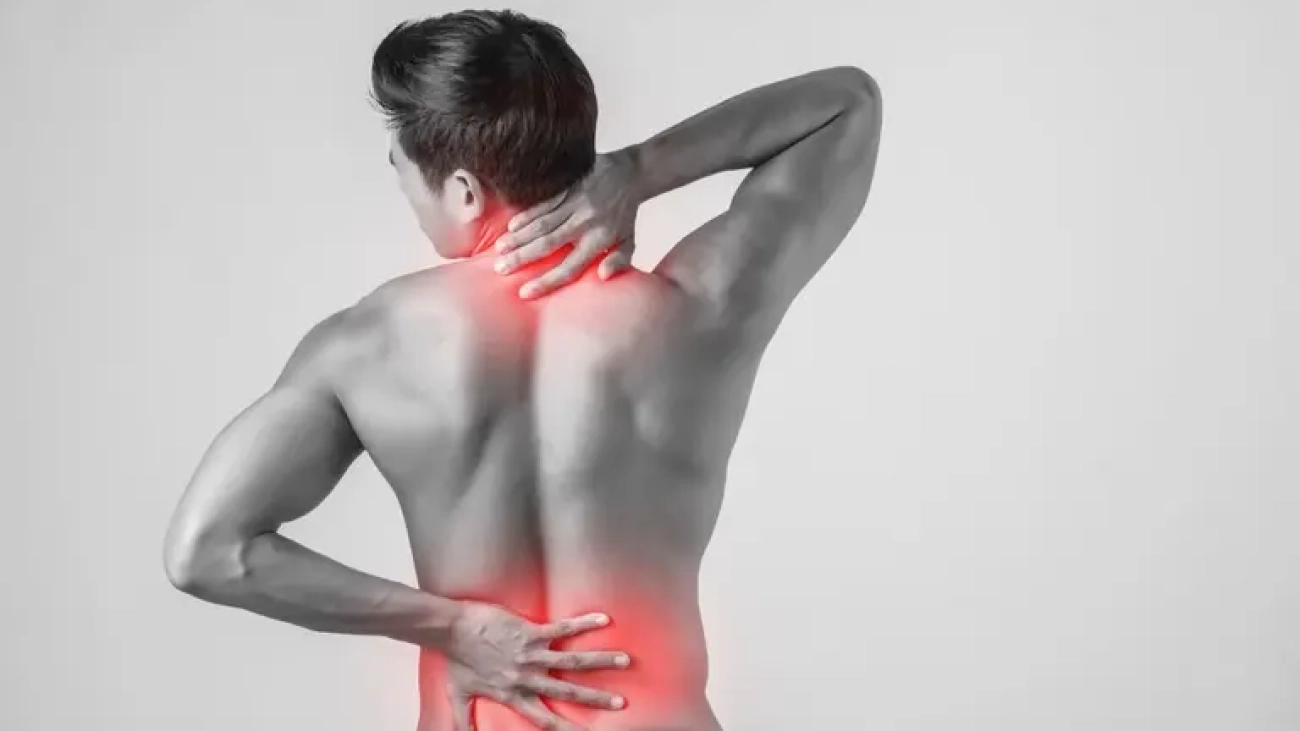
Back pain is frustrating and can affect every aspect of daily life. Daily activities such as getting out of bed, doing household chores, driving to work, carrying shopping bags or playing with your children can suddenly become uncomfortable. When discomfort becomes a daily cause of distress, many people begin to consider whether surgery or injections are their only options for finding relief.
However, not everyone with such discomfort may require an invasive procedure. Physiotherapy offers productive approaches that focus on improving mobility, restoring physical function, regaining muscular strength and helping individuals manage their symptoms. If you have been searching for treatment options for back pain in Droitwich, understanding how massage and physiotherapy work best can help you make a more informed choice about your recovery.
Understanding Why Back Pain Develops
Back pain does not always result from a serious injury or underlying spinal condition. It can develop gradually because of everyday habits, physical demands, reduced activity or changes in muscular strength.
Some Common Causes and Contributing Factors Include:
- Prolonged sitting and limited physical activity
- Muscle strains and ligament injuries
- Repetitive movements and heavy lifting
- Reduced spinal mobility
- Age-related changes in spinal structures
- Irritation of spinal nerves
- Sudden increases in physical activity
- Stress and disrupted sleeping patterns
Identifying the factors contributing to discomfort is an important part of developing an effective treatment plan. Rather than assuming every individual has the same problem, a physiotherapist considers their symptoms, medical history, movement patterns and lifestyle.
Can Back Pain Be Treated Without Surgery?
Yes, many cases of back pain can be managed without surgery or injections. This is particularly true when symptoms are associated with muscular weakness, movement restrictions or non-specific lower back pain.
The National Institute for Health and Care Excellence (NICE) recommends exercise-based treatment and self-management strategies for people experiencing lower back pain. Manual therapy may also be considered alongside exercise.
Physiotherapy aims to help individuals regain their physical abilities rather than simply achieve temporary pain relief. By gradually increasing movement and building physical resilience, patients may become more comfortable performing activities that previously caused discomfort.
However, treatment outcomes depend on the underlying condition, symptom severity and individual response to rehabilitation.
How Does Physiotherapy Help Relieve Back Pain?
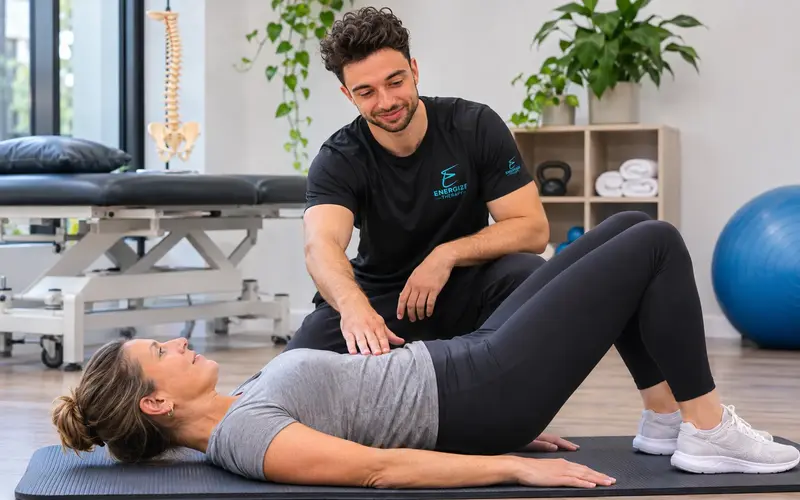
Physiotherapy combines different treatment techniques based on an individual’s physical condition, requirements and recovery goals.
1. Personalised Physical Assessment
An initial assessment helps the physiotherapist understand when the pain started, what makes it worse and how it affects everyday activities. The assessment may examine spinal mobility, muscular strength, joint function and movement patterns. Where necessary, neurological function may also be assessed.
This information helps establish a suitable rehabilitation programme and identify whether further medical investigation is required.
2. Targeted Strengthening Exercises
The muscles surrounding the spine, abdomen, pelvis and hips play an important role in supporting everyday movement. A progressive strengthening programme can help improve muscular capacity, making activities such as lifting, bending, walking and standing more manageable.
People exploring back pain Droitwich physiotherapy services can benefit from an individually tailored exercise programme that considers their current fitness levels, symptoms and physical capabilities.
3. Manual Therapy and Joint Mobilisation
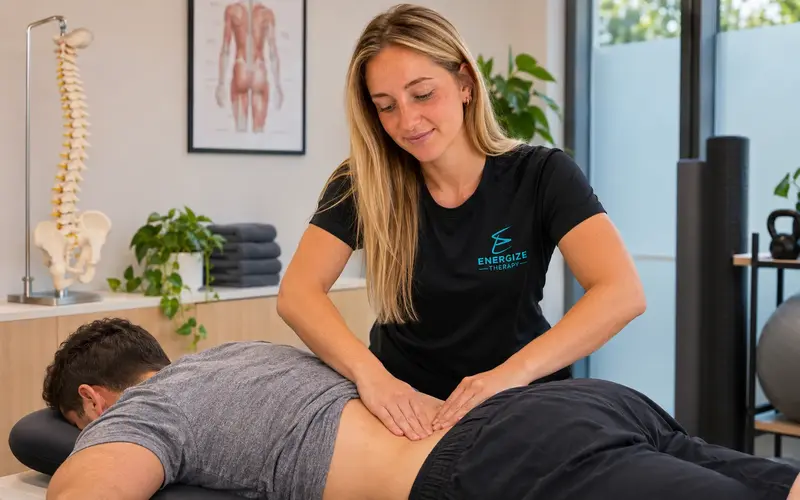
Manual therapy involves hands-on techniques that may help reduce stiffness, improve joint mobility and provide short-term symptom relief.Depending on the assessment, a physiotherapist may incorporate gentle joint mobilisation, massage or other soft tissue techniques into the rehabilitation programme.These techniques are generally more appropriate when combined with active exercise rather than used as a standalone solution.
4. Improving Flexibility and Mobility
Restricted movement can make everyday activities unnecessarily challenging. Carefully selected mobility exercises may help individuals regain comfortable movement through the spine, hips and surrounding joints. Exercises are introduced according to individual tolerance and adjusted as physical function improves.
5. Restoring Confidence in Movement
People experiencing persistent back pain sometimes become concerned that bending, twisting or exercising could cause further damage. Physiotherapy helps individuals gradually return to these movements through appropriate guidance and progressive rehabilitation. Developing confidence in physical activity can be an important part of long-term pain management.
Can Physiotherapy Help with Chronic Back Pain?
Chronic back pain generally refers to symptoms that persist for more than three months. Unlike short-term discomfort, persistent pain may involve several interacting physical, psychological and lifestyle factors.
Treatment may therefore require a broader rehabilitation approach. Physiotherapy can help individuals develop better activity tolerance, improve physical conditioning and establish realistic recovery goals.
For example, someone who struggles to walk for ten minutes may initially focus on shorter, manageable walks before gradually increasing their duration. Progress does not always mean becoming completely pain-free. Being able to work comfortably, enjoy recreational activities or sleep better may also represent meaningful improvements.
Is Physiotherapy Effective for Sciatica and Slipped Discs?
Sciatica occurs when a nerve becomes irritated or compressed, potentially causing pain, tingling, numbness or weakness extending into the leg. A slipped disc is one possible cause of these symptoms. Many individuals with these conditions improve without surgery. Physiotherapy may involve carefully selected exercises, activity modification and advice on managing symptoms during recovery.
However, severe or worsening neurological symptoms require medical assessment. Some patients may need specialist intervention when conservative treatment does not provide sufficient improvement.
Physiotherapy Versus Surgery and Injections
Physiotherapy takes an active rehabilitation approach, helping individuals improve physical function and develop practical strategies for managing discomfort. Injections may provide symptom relief in certain clinical circumstances, whilst surgery may be appropriate for specific spinal conditions. NICE advises against routine spinal injections for lower back pain, although epidural injections may be considered in cases of acute, severe sciatica.
For individuals researching treatment options for back pain in Droitwich, conservative rehabilitation may be an appropriate starting point following a professional assessment. Physiotherapy is not a replacement for medically necessary surgery or specialist treatment.
👉 Also Read: Discover Why Back Pain Needs A Whole-Body Approach
Everyday Habits That Support Back Pain Recovery
Small lifestyle adjustments can complement physiotherapy and support long-term physical wellbeing.
Consider incorporating the following habits into your daily routine:
- Take regular movement breaks when working at a desk.
- Avoid remaining in the same position for extended periods.
- Participate in regular, manageable physical activity.
- Increase exercise intensity gradually.
- Follow your prescribed rehabilitation exercises consistently.
- Maintain a comfortable and supportive sleeping environment.
- Develop practical strategies for managing stress.
The objective is to build sustainable habits rather than follow unnecessarily restrictive movement rules.
How Long Does Physiotherapy Take to Improve Back Pain?
Recovery times vary considerably between individuals. Some people experience improvements within a few weeks, whilst those living with persistent symptoms may require a longer rehabilitation programme. Factors influencing recovery include the underlying condition, symptom duration, general health, physical activity levels and consistency with prescribed exercises. Regular reassessments allow physiotherapists to monitor progress, modify exercises and establish achievable goals throughout the recovery process.
When Should You Seek Immediate Medical Attention?
Although many cases of back pain respond to conservative treatment, certain symptoms require urgent medical investigation. Seek medical assistance immediately if back pain is accompanied by new bladder or bowel control problems, loss of sensation around the genitals or anus, weakness or numbness in both legs, or follows a serious accident. Early medical assessment is also important if symptoms are rapidly worsening or accompanied by fever or unexplained weight loss.
Take the First Step Towards Better Back Health
Living with constant back pain and discomfort doesn’t necessarily mean accepting the way you are or relying on invasive procedures. A professional team, offering a structured physiotherapy programme, can help improve underlying conditions, support better movement, build strength and support greater independence. If you are searching for back pain treatment in Droitwich, Energize Therapy offers personalised physiotherapy and rehabilitation programmes designed around individual symptoms, physical capabilities and recovery goals.
Book a professional assessment and take the first step towards more comfortable movement, greater physical confidence and improved quality of life.